


Gujarati Food Culture, Mukhwas
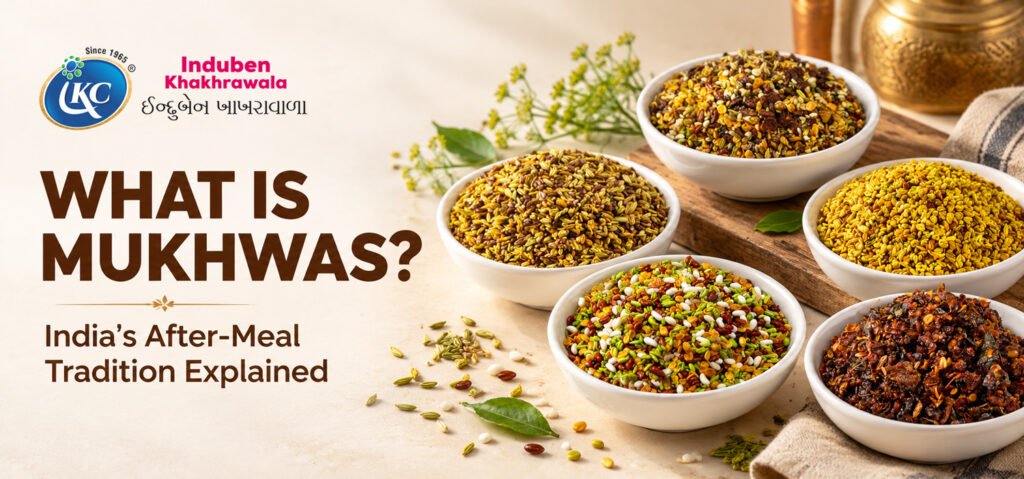
What Is Mukhwas? India’s After-Meal Tradition Explained
Oct
At the end of a meal in almost any Indian home or restaurant, a small bowl appears. Seeds, sometimes brightly coloured, sometimes sugar-coated, eaten by the pinch.
That’s mukhwas — also spelled mukhvas — and most people who eat it have never been told what it actually is, or why the habit exists at all.
Here’s the full picture: what the word means, what goes into it, why it’s eaten when it’s eaten, and how it differs from the things it gets confused with.
What mukhwas means
Mukhwas is an Indian after-meal mixture of seeds, nuts and spices, eaten in small quantities to freshen the mouth.
The word is Gujarati, from mukh (mouth) and vas (scent or aroma) — literally, mouth-scent. It is eaten at the end of a meal, never during one, and never as a snack in its own right.
Three things define it:
- It’s eaten by the pinch, not the handful. A serving is a few grams.
- It comes at the end of the meal, after the food is cleared.
- It’s aromatic rather than filling. The purpose is the scent and the taste, not sustenance.
Mukhwas sits alongside khakhra and farsan as one of the distinctive categories of Gujarati food culture — though the habit itself is pan-Indian.
What goes into mukhwas
Most mukhwas is built from a handful of recurring components, combined differently by each maker.
Fennel seeds (saunf or variyali). The most common base by far. Sweet, aromatic, faintly liquorice-like. Often the single largest ingredient.
Sesame seeds (tal). Nutty and toasty, usually roasted. A staple of Gujarati mukhwas in particular.
Coriander seed splits (dhana dal). Mild, slightly citrusy, with a dry crunch.
Ajwain (carom). Sharp and pungent. Used sparingly — a little carries a long way.
Flaxseed (alsi). A more recent addition, roasted and often spiced.
Sugar-coated seeds. Fennel or coriander in a thin sugar shell — the brightly coloured ones most people picture.
Mishri. Rock sugar crystals, for sweetness.
Dried coconut, cardamom, rose petals, silver leaf. The finishing touches in premium mixtures.
Betel nut (supari). Common in some traditional mixes, though increasingly left out — see the note below.
Why it’s eaten after meals
The tradition has several overlapping explanations, and they’re worth separating from each other.
To freshen the mouth. The simplest and most defensible reason. Indian food is aromatic, and fennel, cardamom and ajwain leave a clean, pleasant aftertaste. This is what the word literally means.
As a traditional digestive. Across Ayurvedic practice and everyday household custom, fennel, ajwain and coriander have long been eaten after meals in the belief that they settle the stomach. This is a genuine and ancient tradition. It’s worth being clear that it is a traditional practice rather than a clinically established effect — the research on most of these specific claims is limited.
To mark the end of the meal. The social function, and an underrated one. Mukhwas signals that eating is finished and conversation continues. In a culture where meals are long and shared, that punctuation matters.
As hospitality. Offering mukhwas to a guest at the end of a meal is simply good manners, in the same way that offering farsan when someone arrives is.
Mukhwas, saunf and paan: the differences
These get used interchangeably and shouldn’t be.
| What it is | How it’s eaten | |
|---|---|---|
| Mukhwas | A mixture of seeds, spices and sometimes sugar | A pinch, after a meal |
| Saunf | A single ingredient — fennel seed. Often the base of mukhwas | Plain, or as part of mukhwas |
| Paan | A betel leaf parcel filled with areca nut, lime paste and other fillings | A single folded leaf, chewed |
| Supari | Areca nut, on its own or in mixtures | Chewed, in small pieces |
The clearest way to hold it: saunf is an ingredient, mukhwas is a mixture, paan is a prepared leaf parcel. All three may appear at the end of a meal, but they are different things.
A note on betel nut
Some traditional mukhwas mixtures contain supari (areca nut). Areca nut is associated with documented health risks with regular use, and many people now prefer mixtures without it.
If you’re avoiding it, check the ingredients rather than assuming — it isn’t always obvious from the appearance of a mixture, and “mouth freshener” on a label tells you nothing about what’s inside.
Types of mukhwas
Mukhwas varies enormously between regions, households and makers. Broadly, mixtures fall into a few groups.
Plain roasted mixtures — seeds and spices, dry roasted, no sugar. The most traditional style, and the least sweet.
Sweet mixtures — with sugar-coated seeds or mishri. Milder, and usually the ones children reach for.
Digestive-style mixtures — leaning on ajwain, coriander and fennel, built around the traditional after-meal purpose.
Premium mixtures — with saffron, cardamom, dried fruit, rose or silver leaf. Usually what’s served at weddings and bought for gifting.
Flavoured and modern mixtures — chocolate, mint and other contemporary variations, aimed at younger eaters.


Induben Khakhrawala

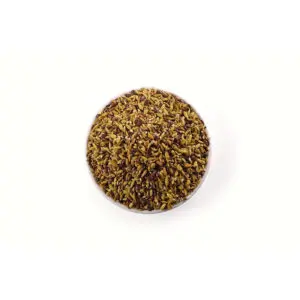
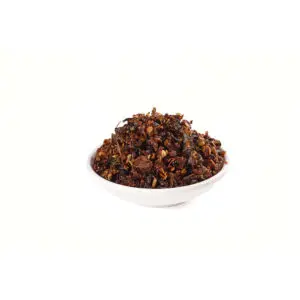


Induben Khakhrawala
See the full range and current prices on our mukhvas collection page.
Mukhwas at weddings and as a gift
Mukhwas has a particular place in Indian hospitality that makes it a natural gift.
At weddings, premium mukhwas is served at the end of the meal and often given as a favour. Saffron, cardamom and silver-leaf mixtures exist largely for this purpose.
As a gift, it works where heavier food doesn’t. It keeps for a long time, weighs very little, travels without damage, and suits people who don’t want sweets. For anyone sending something abroad, it’s among the easiest things to post.
For festivals, it’s a standard inclusion in gift hampers — ours included.
How to store mukhwas
Mukhwas keeps well, but it loses its aroma long before it goes bad — and the aroma is the entire point.
- Airtight containers, always. Glass jars are traditional for a reason.
- Cool, dark and dry. Light and heat degrade the volatile oils that carry the scent.
- Small jars, not large ones. Decant into something you’ll finish within a few weeks.
- Don’t refrigerate. Moisture is the enemy, and the fridge is humid.
- Trust your nose. If it no longer smells aromatic when you open the jar, it has lost what it was for.
Sugar-coated varieties are more sensitive to humidity than plain roasted ones, and will clump in a damp kitchen.
FAQ’s
What is mukhwas?
Mukhwas is an Indian after-meal mixture of seeds, nuts and spices, eaten by the pinch to freshen the mouth. The word is Gujarati, from mukh (mouth) and vas (scent). Common ingredients include fennel, sesame, coriander seed splits, ajwain and sugar-coated seeds.
Why do Indians eat mukhwas after meals?
Primarily to freshen the mouth after aromatic food. It also carries a long traditional association with settling the stomach after eating, and it serves a social function — marking the end of the meal while conversation continues.
What is the difference between mukhwas and saunf?
Saunf is a single ingredient — fennel seed. Mukhwas is a mixture of several seeds and spices, usually with fennel as its base. All saunf can be part of mukhwas; mukhwas is more than saunf.
What is the difference between mukhwas and paan?
Paan is a betel leaf parcel filled with areca nut and other fillings, chewed whole. Mukhwas is a loose mixture of seeds and spices eaten by the pinch. Both may be served after a meal, but they are different things.
Does mukhwas help digestion?
Fennel, ajwain and coriander have been eaten after meals for centuries in the belief that they settle the stomach, and that tradition is well established. The clinical evidence for most of these specific claims is limited, so it’s best understood as a long-standing traditional practice rather than a proven medical effect.
Is mukhwas healthy?
It’s eaten in very small quantities, so its nutritional impact either way is minimal. Plain roasted mixtures are simply seeds and spices. Sugar-coated varieties contain added sugar, which is worth knowing if you’re watching intake.
Does mukhwas contain betel nut?
Some traditional mixtures do; many don’t. Areca nut carries documented health risks with regular use, so check the ingredients if you’re avoiding it.
How long does mukhwas last?
It keeps for months in an airtight container, but loses its aroma well before it spoils. If it no longer smells fragrant when you open the jar, it has passed its best.
